

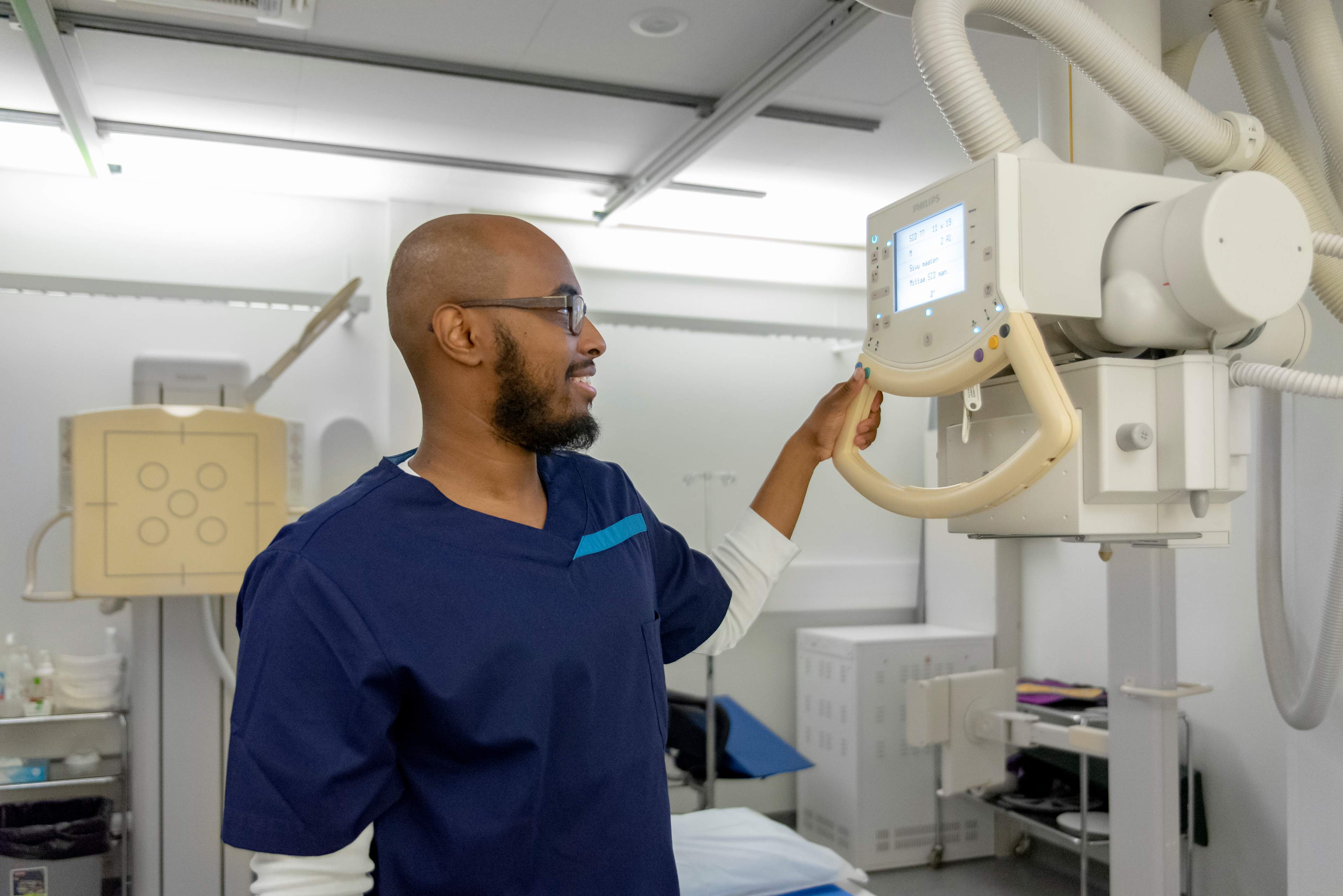
Based on the detailed structural images obtained from imaging examinations, it is possible to diagnose or rule out various conditions and, if necessary, plan effective treatment.
Imaging examinations in public healthcare services are always performed based on a referral made by a physician. In the referral, the physician specifies the reason for the examination.
The most common imaging procedures are conventional X-ray examinations, such as chest, skeletal, and dental imaging. In addition, imaging includes computed tomography (CT), ultrasound, magnetic resonance imaging (MRI), vascular imaging, nuclear medicine examinations, and various interventional procedures.
Imaging is not always just about taking pictures. It can also involve measurements or recordings. Samples may be taken from the patient, or various procedures may be performed, such as widening narrowed blood vessels.
Watch the video: Radiation Safety ABC – What kind of professionals work in radiation-based examinations? The video is produced by OYS and includes subtitles in Finnish and Swedish.
In the Examinationhub the following specialties and their examinations are included in imaging:
radiology
nuclear medicine
clinical physiology
clinical neurophysiology
There may be regional differences regarding whether clinical physiology and clinical neurophysiology examinations are considered part of imaging or laboratory diagnostics.