

Go to page content

Interventional radiology

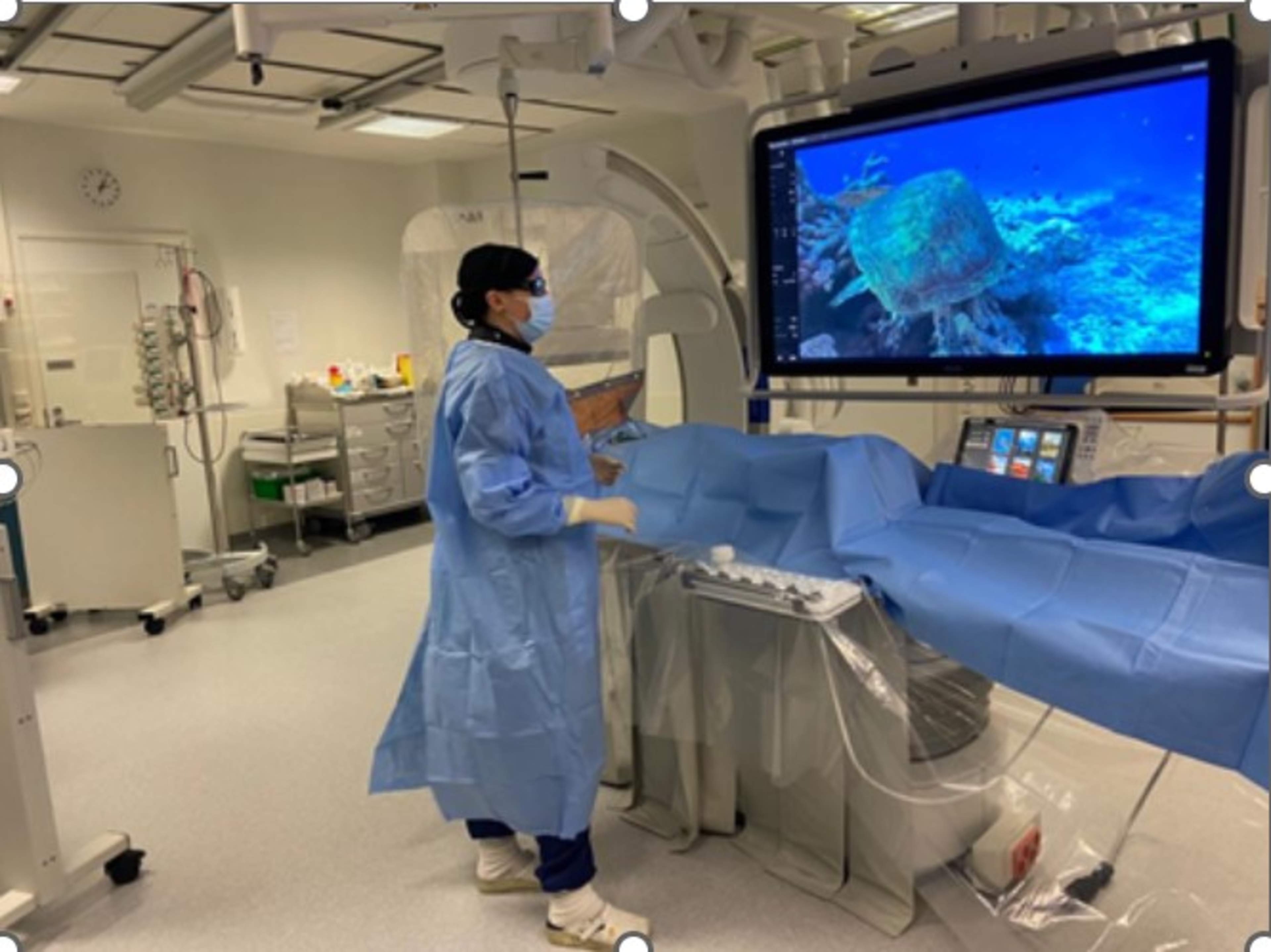
Interventional radiology refers to diagnostic or therapeutic procedures performed using various imaging techniques.

Interventional radiology is considered a part of surgery and can partially replace traditional surgical procedures. The methods used are generally less invasive and burdensome for the patient than conventional surgery. General anesthesia is often not required, which contributes to faster recovery.  

Procedures may utilize ultrasound, fluoroscopy, computed tomography or magnetic resonance imaging. Contrast agents may also be used during the procedures.  

Common procedures include for example: 

  • Biopsy (needle sampling) 

  • Drainage (aspiration of fluid collections) 

  • Balloon angioplasty for arterial stenosis 

  • Stent placement (metal mesh prosthesis) for arterial stenosis or occlusion 

Biopsy

Needle biopsies can be taken from superficial areas such as subcutaneous lumps, muscles, thyroid gland, or superficial lymph nodes. These procedures often require no preparation or follow-up.  

Needle biopsies are also commonly taken from deeper areas such as the liver, pancreas, kidneys, or lungs. These typically require overnight monitoring in the hospital. 

Drainage 

Fluid or pus collections in the abdominal cavity or pleural space can be drained under image guidance. A catheter is often left in place for one or two days to ensure complete drainage. 

Drainage of the urinary or bile ducts is used to treat obstructions or strictures in these pathways. 

Balloon angioplasty and stent placement 

Balloon angioplasty is a typical intravascular procedure. The location of the stenosis or occlusion is confirmed with contrast imaging before the angioplasty. 

During the procedure, a stent i.e. metal mesh prosthesis may be placed in the vessel to prevent re-narrowing. 

Check the patient instructions you received for specific preparation guidelines. Typically, you will need to undergo laboratory examinations and fast according to instructions. Many blood-thinning medications must be paused several days before the procedure. You will receive detailed instructions from the physician who referred you. 

Some procedures involve local anesthesia and/or iodine-based contrast agents, which may cause allergic reactions. Please inform the imaging unit staff if you have known allergies to iodine-based contrast agents or anesthetics. 

Some imaging methods use X-rays. If you are pregnant or suspect you might be, inform your treating physician or the staff at the time of the procedure. 

Before the procedure, the skin is cleaned and covered with sterile drapes. The injection site is anesthetized, and in some cases, general anesthesia is used. A cannula may be placed in your hand to administer pain relief, sedatives, or fluids if needed. Iodine-based contrast agents may also be used. 

The procedure is performed by a radiologist i.e. medical imaging physician with assistance from a nurse. Your condition is monitored throughout the procedure. 

Post-procedure care depends on the type of procedure performed. You will usually need to rest lying down for a certain period. Superficial biopsies typically do not require bed rest, and you may be discharged quickly. If a catheter was placed during drainage, you will receive separate care instructions. You will also receive instructions regarding any medications. 

The physician who referred you for the examination will inform you of the results and discuss further treatment. Contact the care unit if you do not have a scheduled follow-up or phone appointment.  

Like all invasive procedures, Interventional radiology carries some risks. Careful preparation according to the instructions provided helps minimize these risks. 

Adverse effects such as bleeding and infection are rare. Local anesthetics and iodine-based contrast agents used in some procedures may cause allergic reactions. Please inform the imaging unit staff if you are allergic to these substances. 

If the procedure involves fluoroscopy or CT imaging, it will expose you to ionizing radiation. The amount of radiation depends on the target area and duration of the procedure. 

If you have concerns about radiation exposure, you can ask your treating physician or radiology staff for more information. You can also find details about radiation effects and exposure levels in different procedures in the Information about radiation section. 

Updated 24.10.2025