

Go to page content

Capsule endoscopy of the small intestine

Capsule endoscopy of the small intestine allows examination of the entire small intestine, but it does not enable biopsy sampling from the intestinal lining.

This examination is used to examine small bowel diseases that cannot be diagnosed by other means. It involves imaging the walls of the small intestine using a capsule camera that moves through the digestive tract with natural bowel movements. It does not replace gastroscopy or colonoscopy. 

The examination is not performed during pregnancy and is not suitable for patients with strictures or narrowing in the intestines. 

Check the patient instructions you have received for specific preparation guidelines. You will typically need to fast before the procedure. 

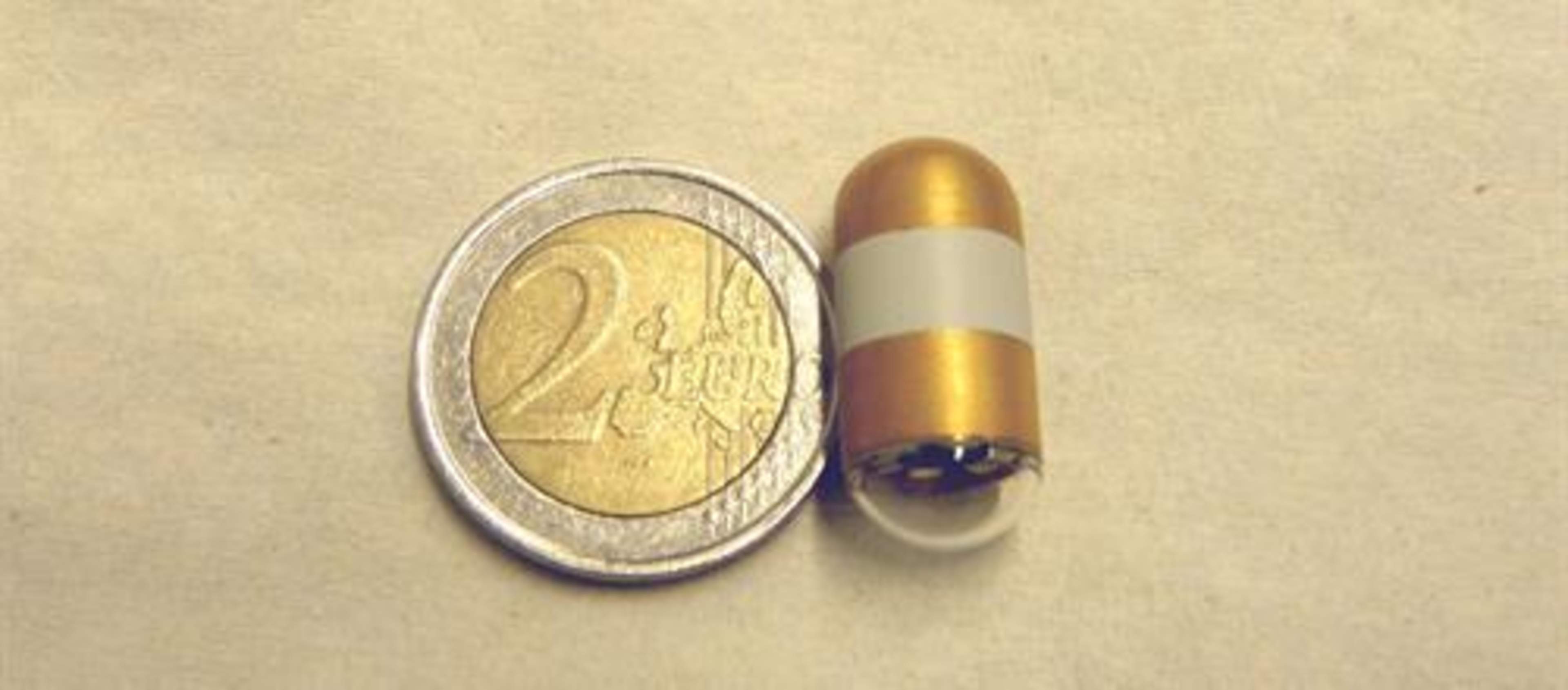
During the examination, you swallow a capsule about the size of a large vitamin pill. As it travels through your digestive tract, it captures images. The capsule transmits these images to a recording device attached to your waist. 

The visit lasts approximately 30 minutes to 2 hours, during which the capsule’s location is checked every 30 minutes. Once it is confirmed that the capsule has reached the small intestine, you may go home with the recording device. 

Recording continues for about 8 hours. You will receive separate instructions on how to end the recording. 

The recording device is returned to the examination unit the following morning at the agreed time. 

The procedure does not require follow-up and does not restrict normal daily activities. The capsule is disposable and usually exits the body naturally with stool. In rare cases, if the capsule does not pass naturally, it must be removed endoscopically or surgically. 

The physician who referred you for the examination will inform you of the results and the next steps in your care. Contact your care unit if you do not have a scheduled appointment or call time.

Capsule endoscopy is painless and has not been associated with adverse effects. 

Updated 10.11.2025