

Go to page content

X-ray examination

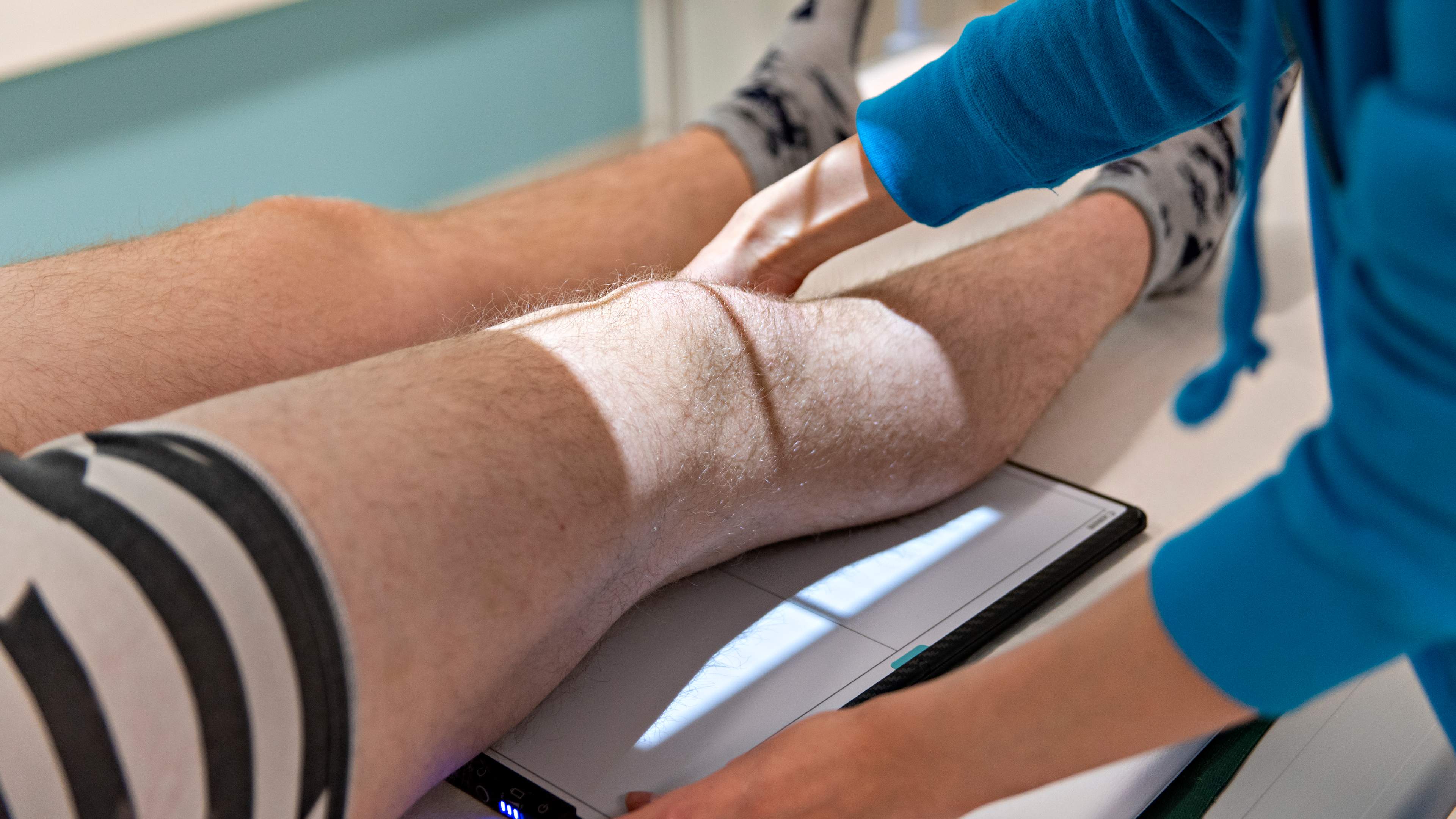
X-ray examinations are the most common imaging examinations in Finland. In X-ray imaging, the human body is visualized using radiation.

X-ray examinations include, among others: 

  • imaging of bones and joints 

  • chest X-rays 

  • bone density measurements 

  • dental X-rays 

  • panoramic imaging of the jaws and dentition 

X-ray examination is particularly effective for visualizing the lungs and bones, as they stand out clearly from surrounding tissues. However, X-ray examination is not well suited for examining soft organs or tissues (i.e. abdominal organs), as they are not easily distinguishable in the images. 

A physician’s referral is always required for an X-ray examination. In practice, patients are referred to X-ray through a medical consultation. 

The term “tract radiography” is also used, referring to an X-ray examination performed without contrast agents. 

In panoramic examination, the jawbones and dentition are visualized. Bone density measurements are performed on the lumbar spine and hip area, or alternatively on the forearm. For children and adolescents, a whole-body measurement may be performed upon request by a specialist. 

According to the new recommendation from the Radiation and Nuclear Safety Authority (STUK), radiation shields are no longer required during X-ray examinations. However, staff and any accompanying support persons or holders are still protected as before. 

Watch the video: Radiation Safety ABC – X-ray examination. The video is produced by OYS and includes subtitles in Finnish and Swedish. 

Usually, no special preparation is needed for an X-ray examination. However, carefully read the patient instructions provided to you. 

If you know or suspect that you are pregnant, inform your treating physician or the staff at the time of the examination. The physician and, if necessary, the radiologist will determine the most appropriate imaging method for you. 

The radiographer will position you appropriately for the imaging. Before the imaging, you will be instructed on which clothes and items (i.e. jewelry) need to be removed. 

During imaging, the radiographer usually operates the machine from an adjacent room. 

You must remain still during the imaging. The X-ray beam is active for only a fraction of a second. One or more images may be taken depending on the area being examined. 

The entire imaging procedure typically lasts 5–20 minutes, depending on the number of images needed. 

The radiologist will review the images and provide a report. X-ray imaging does not require follow-up and does not impose any restrictions on normal daily activities. 

The physician who referred you for the examination will inform you of the results and the next steps in your care. Contact your care unit if you do not have a scheduled appointment or call time. 

X-ray examination is a quick, painless, and safe diagnostic method. It involves the use of radiation. The total radiation dose depends on the imaging technique and the number of images taken. The radiation dose and potential risk from X-ray examination are low. 

If you have concerns about radiation, you can always ask your treating physician or the radiology staff for more information. You can also find information about radiation exposure and doses from different examinations in the Information about Radiation section and on the Radiation and Nuclear Safety Authority (STUK) website. 

The EOS system is used for full-length imaging of the spine and lower limbs in children and adults. The examination uses X-rays and is therefore not suitable for pregnant individuals. No preparation is required, but it is important to review the patient instructions provided. 

The device significantly reduces radiation exposure compared to other X-ray equipment. Currently, EOS systems are available in a few university hospitals, including OYS and Tyks. 

Before imaging, the radiographer will instruct you on which clothing items (i.e. belt, bra) and jewelry must be removed. The imaging is performed while standing, and for children, it can be done with support in a special examination chair. During the imaging, the radiographer operates the machine from an adjacent room. The imaging is quick, and it is important to remain still during the process. The entire examination usually takes about 15 minutes. 

The examination is painless, does not require follow-up, and does not restrict normal daily activities. The physician who referred you will inform you of the results and the next steps in your care. Contact your care unit if you do not have a scheduled appointment or call time. 

Updated 27.10.2025