Go to page content

Electroencephalography EEG

Electroencephalography, or EEG, measures the brain’s electrical activity.

EEG is used to examine among other things whether episodic symptoms may be caused by epilepsy. It can reveal the cause of symptoms even if no symptoms are present during the examination. 

EEG is performed in a clinical neurophysiology unit or as an emergency examination in a hospital ward. 

You may take your medications as usual before the examination. The examination is more successful if your hair is clean and dry, and free of styling products. 

If you are expected to sleep during the examination, you will receive specific preparation instructions in advance. 

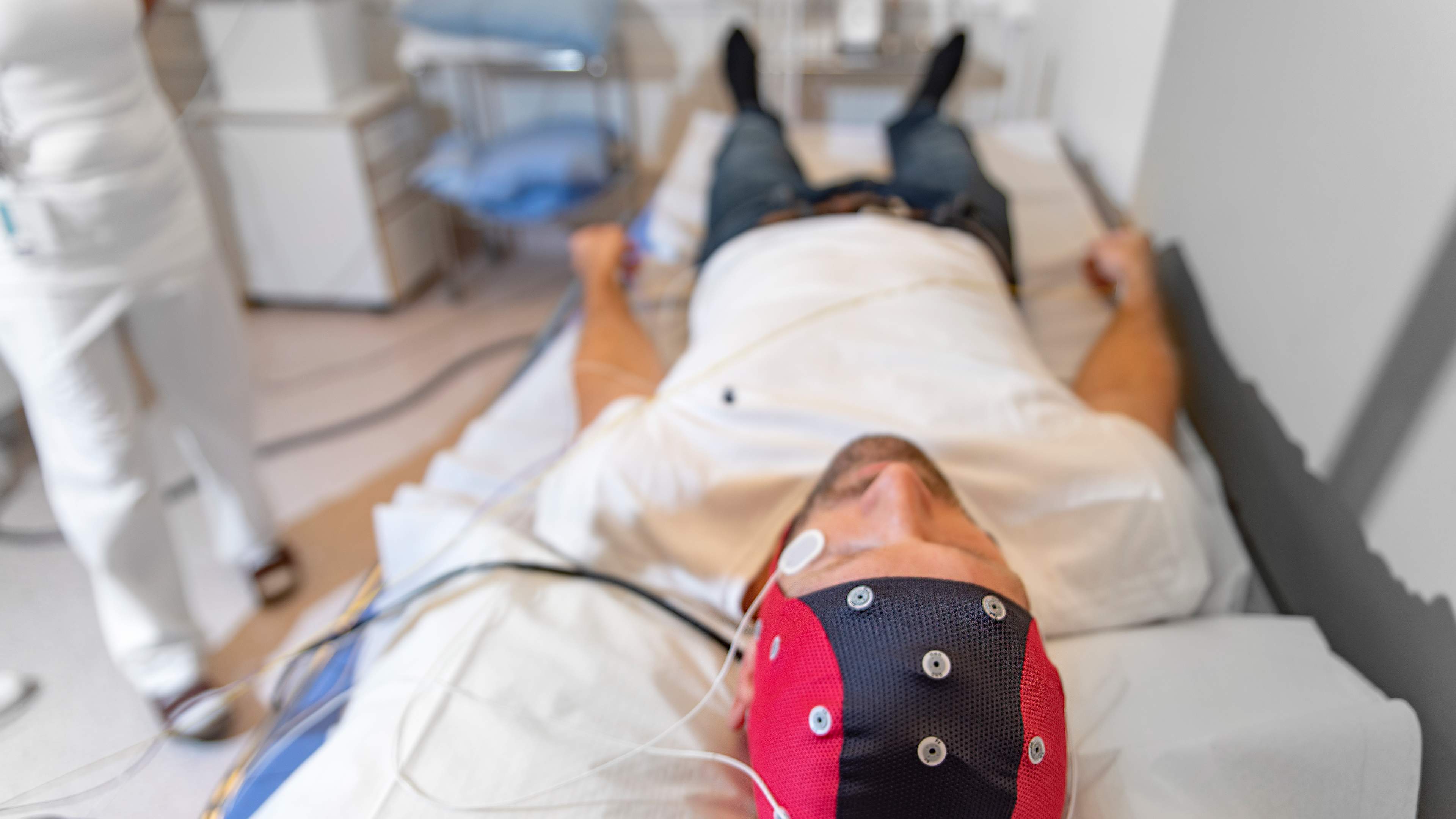
To measure brain activity, an electrode cap or individual electrodes are placed on the head to record electrical activity from the scalp. A water-soluble gel is applied to the electrodes to improve conductivity. Scrubbing the scalp to attach the electrodes may feel slightly uncomfortable to some, but the examination itself is painless. 

During the recording, you will lie on your back on a bed, as relaxed as possible. You may be shown flashing lights or asked to breathe deeply in and out for a few minutes (hyperventilation). The recording lasts approximately 30–60 minutes. 

Often, brain activity during sleep is also measured. In that case, you will receive instructions with your appointment to stay awake before the examination or to sleep less than usual the night before. 

Including preparation, the examination takes about 1 to 1.5 hours. 

If EEG is performed as a long-term recording, brain activity is measured for 1–2 days. 

In a video-EEG examination, brain activity and video footage are recorded simultaneously. 

After the examination, the electrodes are removed. The gel used may leave your hair slightly sticky, but it will wash out with water and at the latest during the next hair wash. 

If you were instructed to stay awake before the examination, be aware that due to fatigue, you may not be able to drive before or after the examination. 

A clinical neurophysiologist will prepare a report of the examination. The physician who referred you for the examination will inform you of the results and discuss further treatment. Contact your care unit if you do not have a scheduled appointment or call time. 

The examination is painless and involves no risks. 

Updated 14.11.2025