

Go to page content

Symptom management with medication during palliative care

When it comes to symptom management with medication, it’s important to follow the doctor’s instructions on how to medicate symptoms. With regular medication, symptoms can be prevented from getting worse, which helps maintain the patient’s functional capacity and wellbeing better than when the medication is only taken as needed.

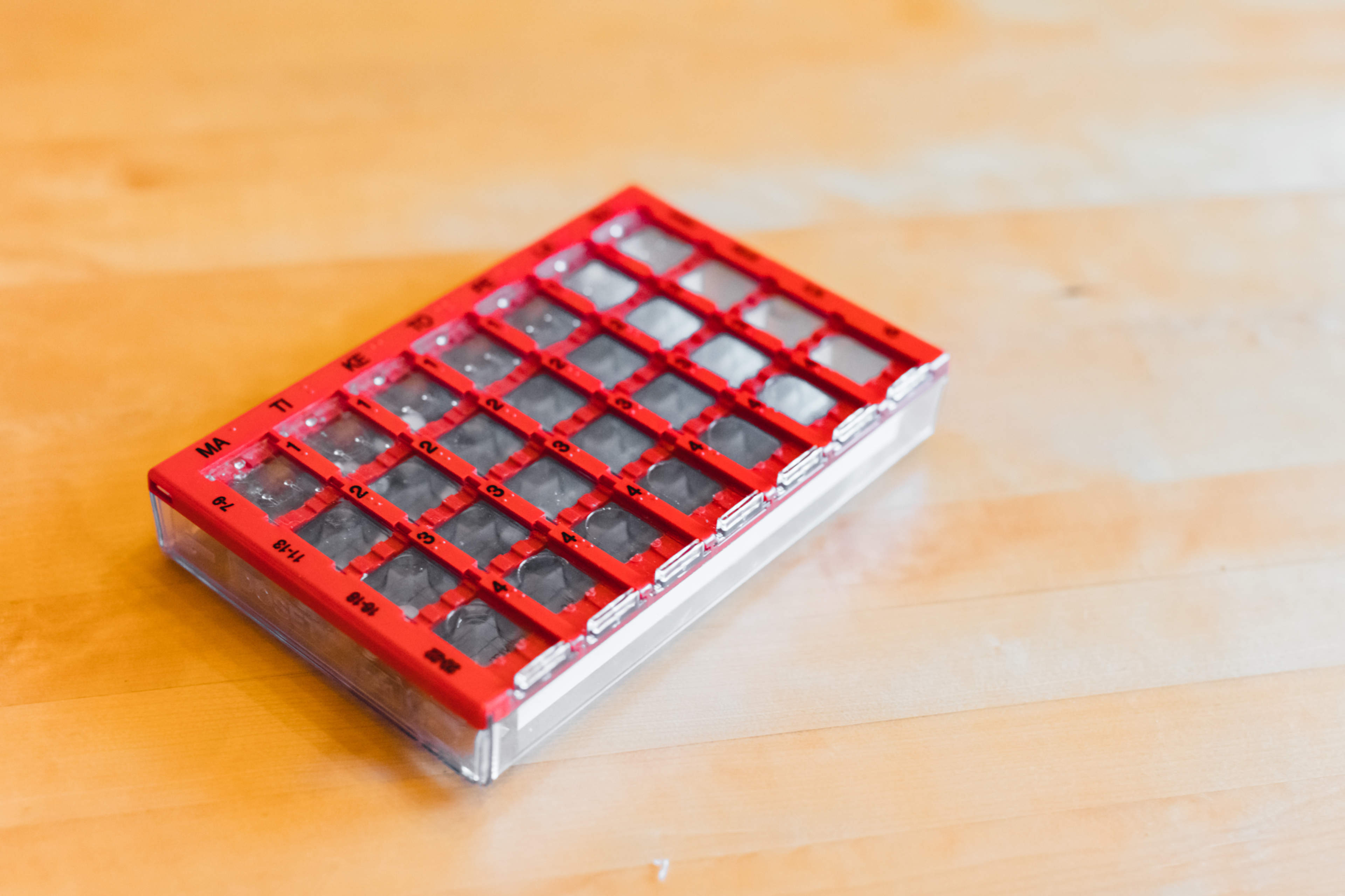
Pill organizer

Since symptoms may fluctuate over the course of the day, it’s a good idea to have a plan for as-needed medication for acute symptoms in addition to medication taken regularly. It’s recommended to keep track of your use of as-needed medication and keep the unit responsible for your care up to date on how often you need to take them, so that adjustments can be made to your medication if necessary.

Every patient should have an up-to-date list of medicines in writing, containing both regular and as-needed medication. The list should be reviewed during every appointment or meeting with a healthcare professional.

The unit responsible for your care should be made aware of any prescription-free (over-the-counter) products, such as vitamins, minerals, and herbal medicinal products you’re taking. Some medicines may have significant interactions with herbal medicinal products, so it’s important for those responsible for your care to be aware of all medicines and other medicine-like substances you’re taking.

Symptom-relieving medicines are primarily administered by mouth (orally). If the patient is unable to take medicines by mouth due to problems such as nausea or difficulty swallowing, they can be administered in other forms. During hospice care, as the patient’s condition weakens and their level of consciousness decreases, symptom-relieving medication is often administered beneath the skin (subcutaneously) as a continuous infusion using an infusion device (often referred to as a “syringe driver” or “syringe pump”). Medication can also be administered into a vein (intravenously) or, in cases such as severe pain, into the cerebrospinal fluid (intrathecally) using a drug delivery system. This way, sufficient symptom-relieving medication can be provided to all patients.

Updated 1.4.2025