

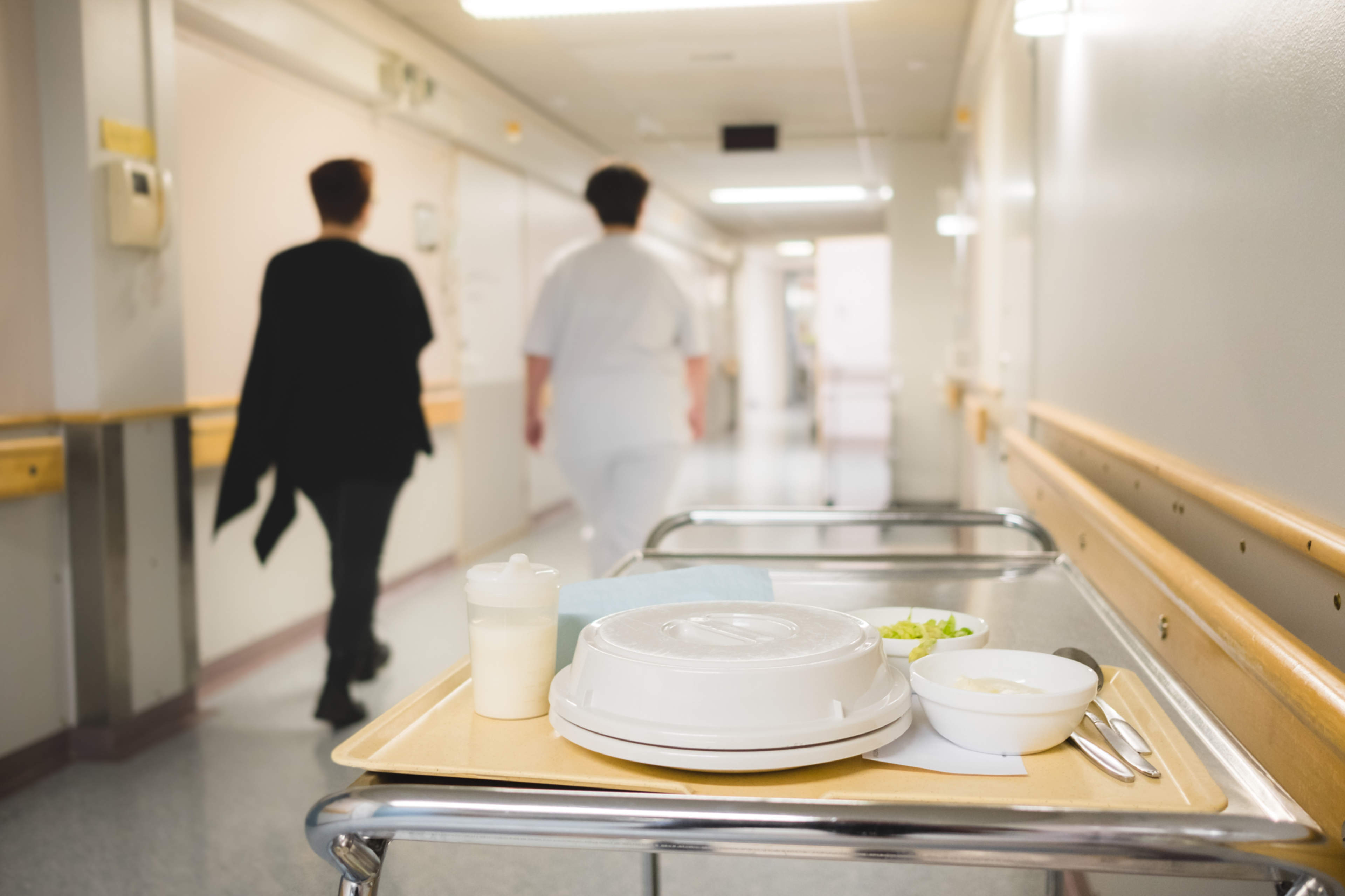
Loss of appetite and the role of nutrition
We are used to good nutrition playing an important part in our health and wellbeing. During hospice care, the illness itself causes weight loss and muscle atrophy. As the illness progresses, the absorption and transport of food – to be used as building blocks for the body through the metabolic system – is reduced. As a result, even if the patient is eating or receiving nutritional support, the body is no longer able to make use of the nutrients it receives.
As the patient’s appetite decreases, their loved ones may become increasingly preoccupied with how the patient is eating. Being urged to eat may feel distressing to the patient, even though the intentions are good. It’s good to keep in mind that a loss of appetite is natural for the patient, and it’s the illness, not nutrition, that determines the patient’s condition and life expectancy. Forcing food may worsen the patient’s nausea and therefore make the patient feel worse.
Instead of hearty meals, the patient may now prefer smaller portions of cool foods (for example cut-up fruit, fruit- or dairy-based snacks), eaten at their own pace. The purpose of food is to bring joy to the day, and even a small bite every now and then may be able to achieve that.
Nutrition and hydration near death
The patient is offered food and drink for as long as they are able to eat and drink. At the very end of life, the patient usually no longer has a desire to eat, and the feeling of hunger disappears. During the process of dying, bodily functions gradually cease; nutrition does not alter this fact.
As death draws closer, the desire and capacity to drink decrease. The patient may also experience swallowing problems or decreased levels of consciousness, making it impossible to drink in the last days of life. At this point, the patient often no longer experiences thirst. Mouth care should involve both regular cleaning and moistening.
As vital functions are gradually shutting down, artificial hydration may be a burden on the body. It often results in fluid retention in parts of the body such as the airways, abdomen, or limbs. It also increases strain on the heart.
In situations where the patient’s condition can be improved with hydration support, hydration constitutes good care. Dying is not one of these situations. In other words, the patient is not dying because of not eating or drinking, but rather, they are not eating or drinking because they are dying.